PROJECT
365 Days Blender Render Challenge
A self-driven 365-day challenge focused on mastering 3D rendering through daily scene creation, rapid iteration, and exploration of lighting, composition, and real-time workflows inside Blender.
CLIENT
Mtj (Personal Project)
ROLE
Scene Composition / Lighting & Rendering
YEAR
2023
STACK
Blender (K-Cycles, Compositing, Nodes)
DURATION
1 year

365 Days Blender Render Challenge
This project started as a personal challenge inspired by the Blender community — to create one render every single day for 365 days.
The goal wasn’t perfection.
The goal was progress through repetition.
Every day began the same way:
a completely empty Blender file
no references
no plan
just execution
The only rule:
Maximum 2 hours per scene
That limitation forced fast decision-making, problem-solving, and creative discipline.
The Challenge: Consistency Without Structure
The real challenge wasn’t creating renders — it was maintaining consistency and growth without any system.
No predefined roadmap
No fixed visual style
No repeated workflow
Each day required:
learning something new
adapting quickly
finishing under time pressure
Technical Constraint
A major part of the challenge became optimization.
Achieving high-quality 4K renders while keeping render times under 5 minutes required deep experimentation with:
Render engines (Cycles vs. K-Cycles)
Sampling strategies
Lighting setups
Scene optimization
Balancing quality vs. speed became a core discipline.
The Process: Raw and Unfiltered
The approach was intentionally unstructured.
Each day followed a simple loop:
Start from scratch
Explore a new idea
Build and render within 2 hours
Types of Work Created
The project expanded across multiple domains:
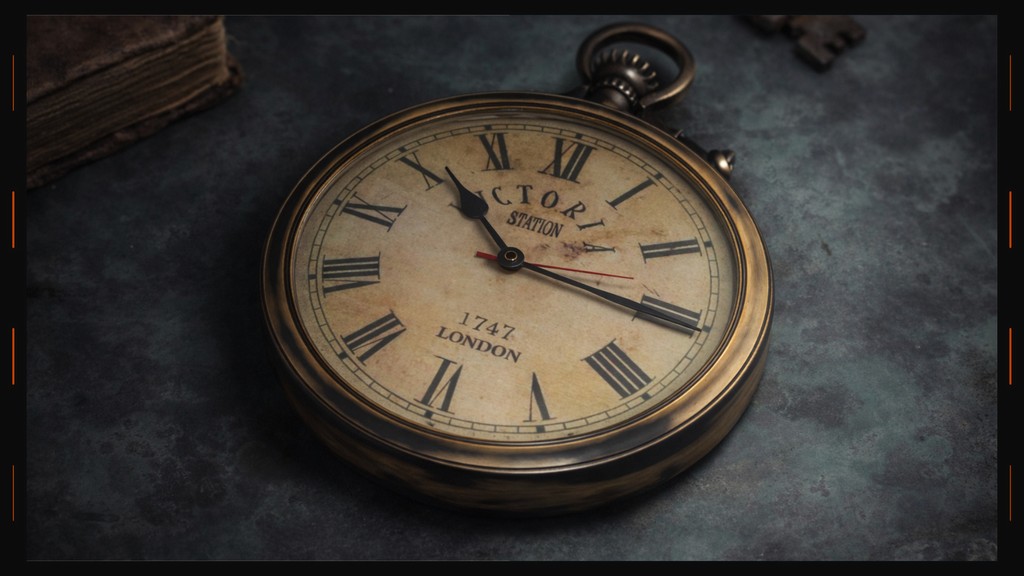
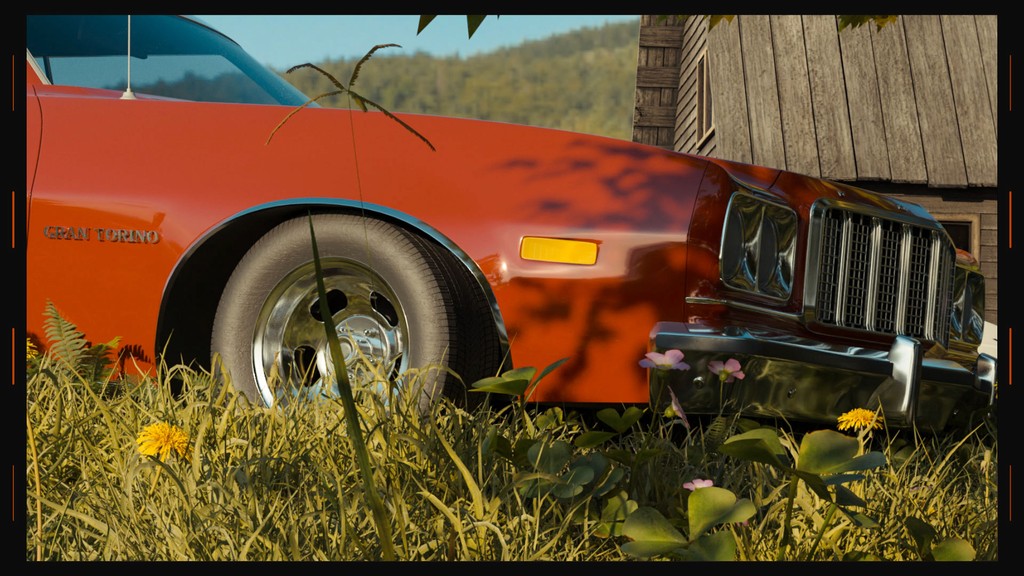
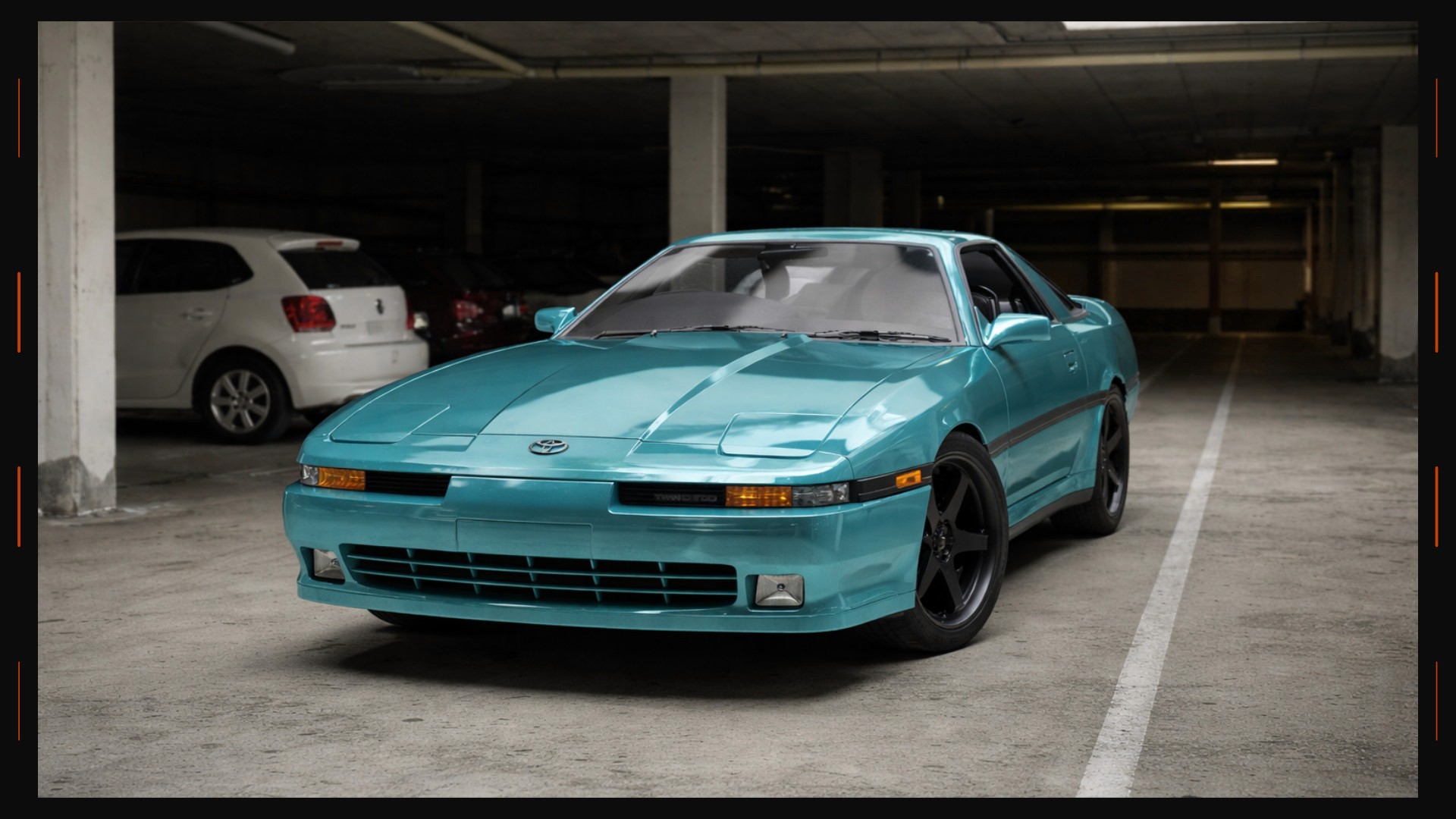
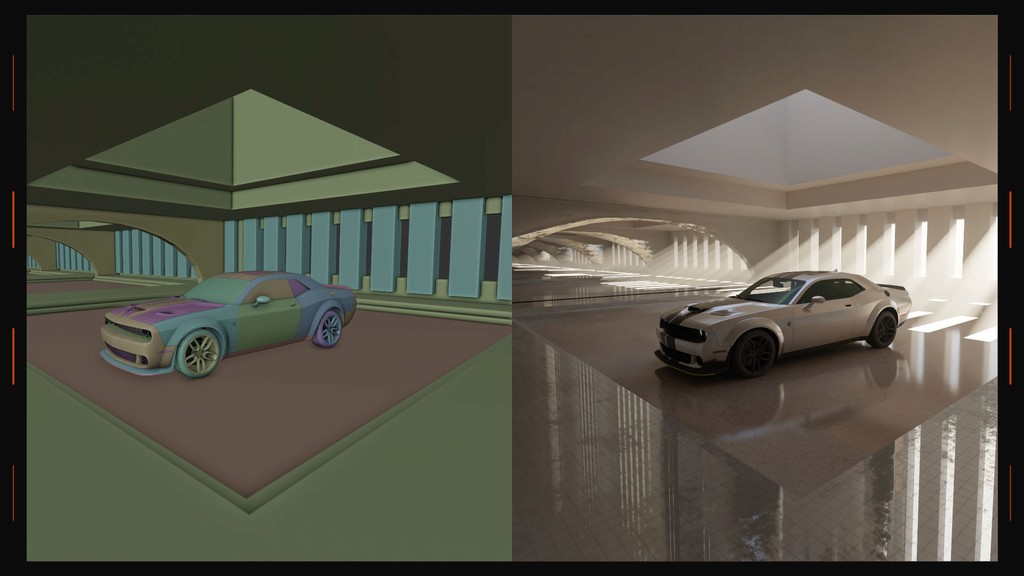
Vehicles (cars, detailed models)
Environments
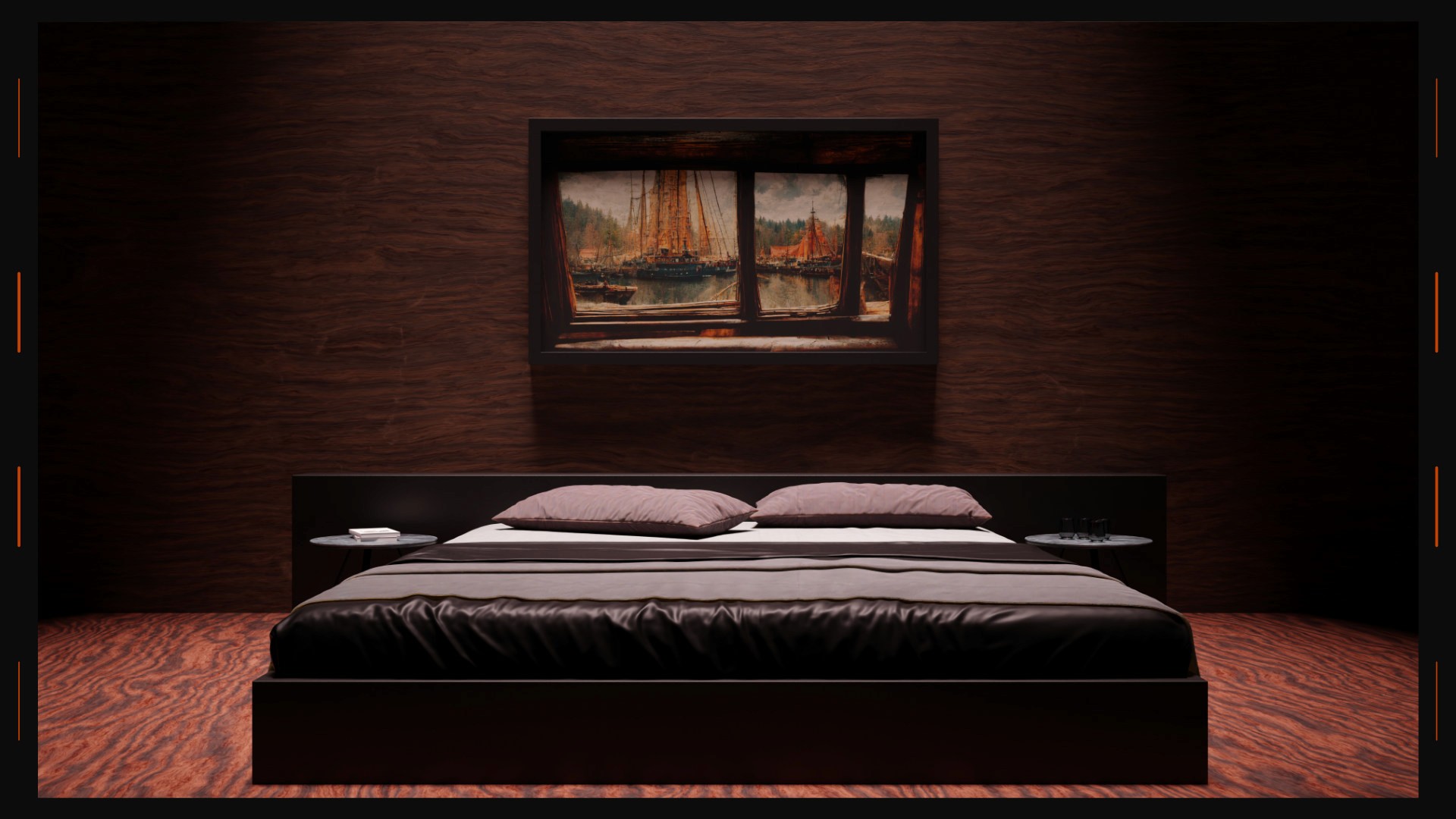
Real-life interiors (rooms, bedrooms, PC setups)
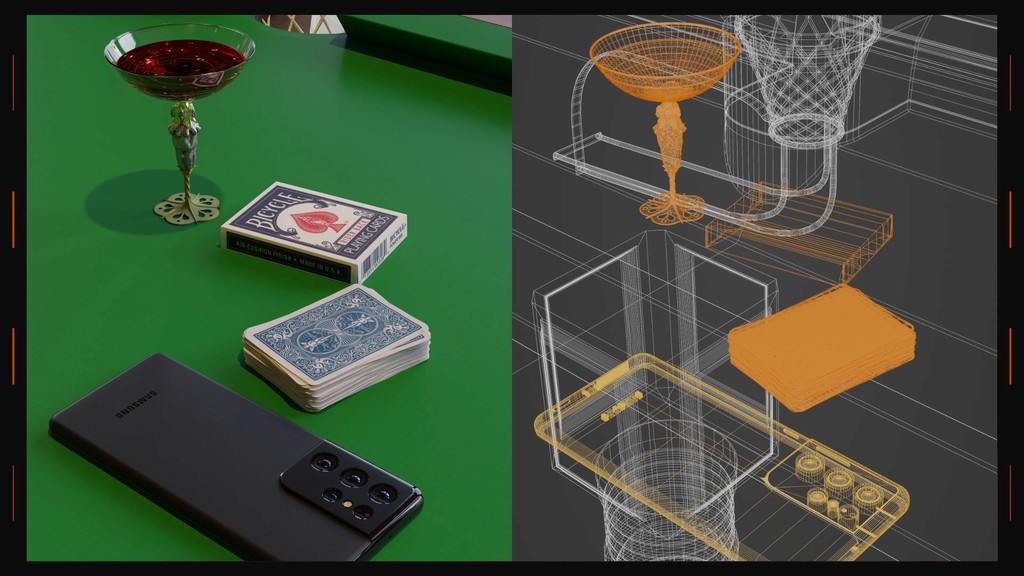
Product-style renders
Abstract and sci-fi compositions
Animations and short video sequences
In some cases, pre-made assets (e.g. BlenderKit) were used.
However, the focus was always on:
👉 Lighting, composition, and final render quality
Every scene was treated as a complete visual exercise.
The Breakthrough: Lighting & Realism
The biggest leap in quality came from mastering lighting and environment integration.
Key techniques included:
HDRIs
Custom HDR environments (captured with 360 cameras)
Dome lighting systems
Shift in Output Quality
At a certain point:
renders stopped looking like “3D scenes”
and started feeling like real photographs
This came from the ability to:
place objects into believable environments
simulate real-world light behavior
control shadows and reflections precisely
The Tools & System
Everything was built entirely inside Blender:
Modeling
Lighting
Rendering
Compositing
Node systems
Occasional scripting
Focus Areas
K-Cycles optimization
Render speed vs. quality balance
Building efficient workflows for repeatable results
The Outcome
This project resulted in:
365 completed scenes
Significant improvement in rendering speed and efficiency
Strong understanding of lighting and composition
Ability to create realistic visuals under time constraints
Confidence working across multiple styles and scene types
Core Gains
More importantly, it built:
👉 Discipline
👉 Consistency
👉 Creative adaptability
Final Thought
This wasn’t just a rendering challenge.
It became a system for learning how to:
think faster
create under pressure
improve without waiting for perfect conditions
Positioning
This is not just a challenge.
This is a case study in process, discipline, and skill development.
👉 The difference between:
someone who uses Blender
and someone who understands creation systems